

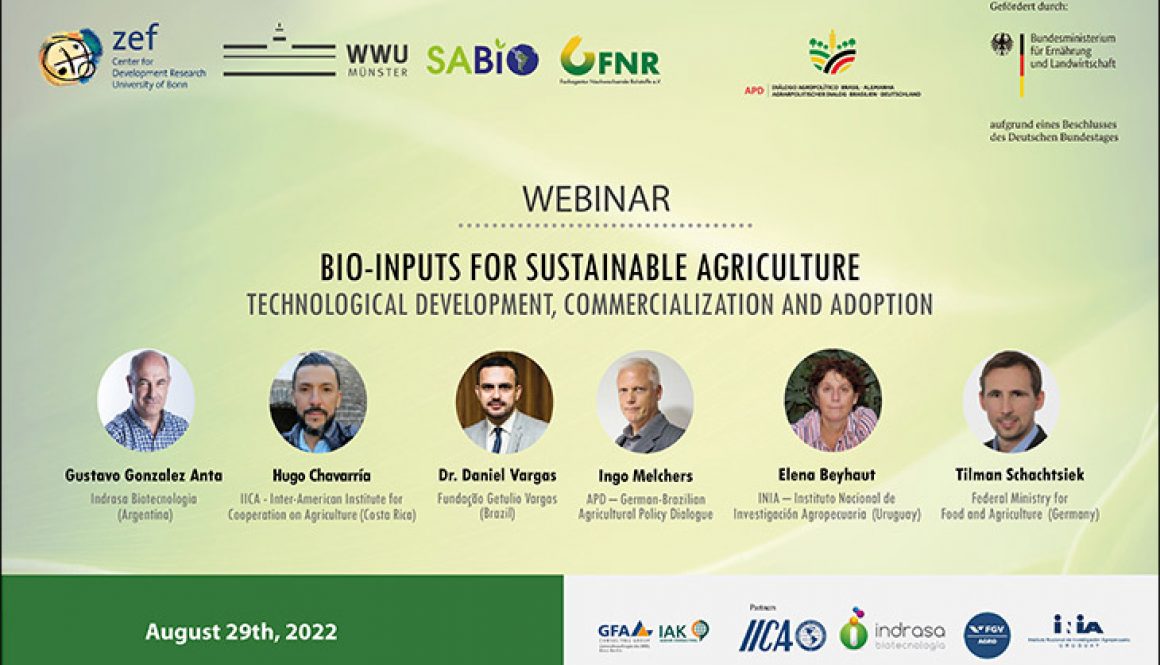
Bio-Inputs for Sustainable Agriculture
Bio-inputs for agricultural production, such as those based on microbiome or microorganism, are often portrayed as promising technologies to reduce our reliance on fossil-based inputs and increase productivity while contributing to environmental sustainability.
]Although bio-based inputs are usually featured in the debates about sustainable agriculture, adoption remains low, when compared to their synthetic counterparts. However, with the development and implementation of national Bioeconomy strategies and given the shocks to the global supply of fertilizers, we observe renewed interest in the topic by international organizations and policymakers.
In this webinar representatives from international organizations, public research agencies, the private sector, and academia discuss the main challenges and opportunities for the development, commercialization, and adoption of bio-inputs for agricultural production.
Dieses Video ist im erweiterten Datenschutzmodus von YouTube eingebunden. Das Video wird somit auf dem Videoportal YouTube betrieben. Mit Klick auf den Wiedergabe-Button erteilen Sie Ihre Einwilligung darin, dass YouTube auf dem von Ihnen verwendeten Endgerät Cookies setzt, aber laut Angaben von YouTube keine Cookies zur Analyse Ihres Nutzungsverhaltens gesetzt werden. Näheres zur Cookie-Verwendung durch YouTube finden Sie in der Cookie-Policy von Google.
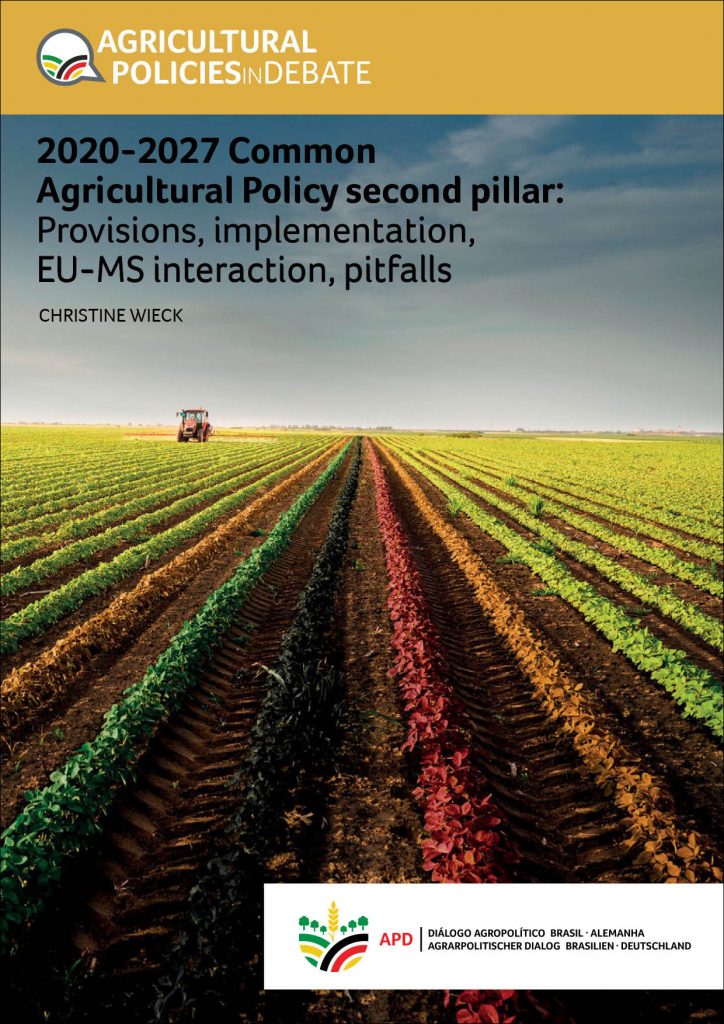 Die Europäische Union (EU) hat sich im Juni 2021 verständigt, um für die neue Phase der Gemeinsamen Agrarpolitik (GAP) von 2023 bis 2027 neue Akzente zu setzen. Neue Management- und Monitoring-Formate sollen Fokus, Kohärenz und Zielgenauigkeit der agrarpolitischen Interventionen der EU verbessern.
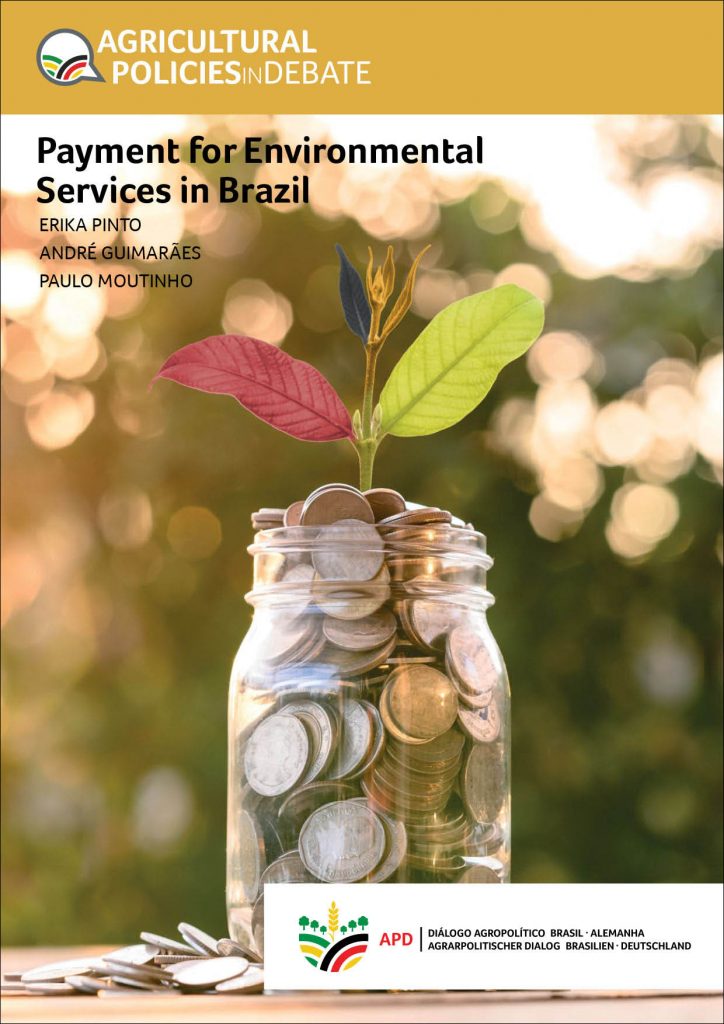 In den letzten Jahren wurden in Brasilien zahlreiche Akteure aus Regierung, Zivilgesellschaft, Wissenschaft und Privatwirtschaft in die Debatte um die “Nationalen Politik der Zahlung für Umweltleistungen“ (PES) einbezogen. Die Autoren vom Institut für Umweltforschung zu Amazonien (IPAM) und der


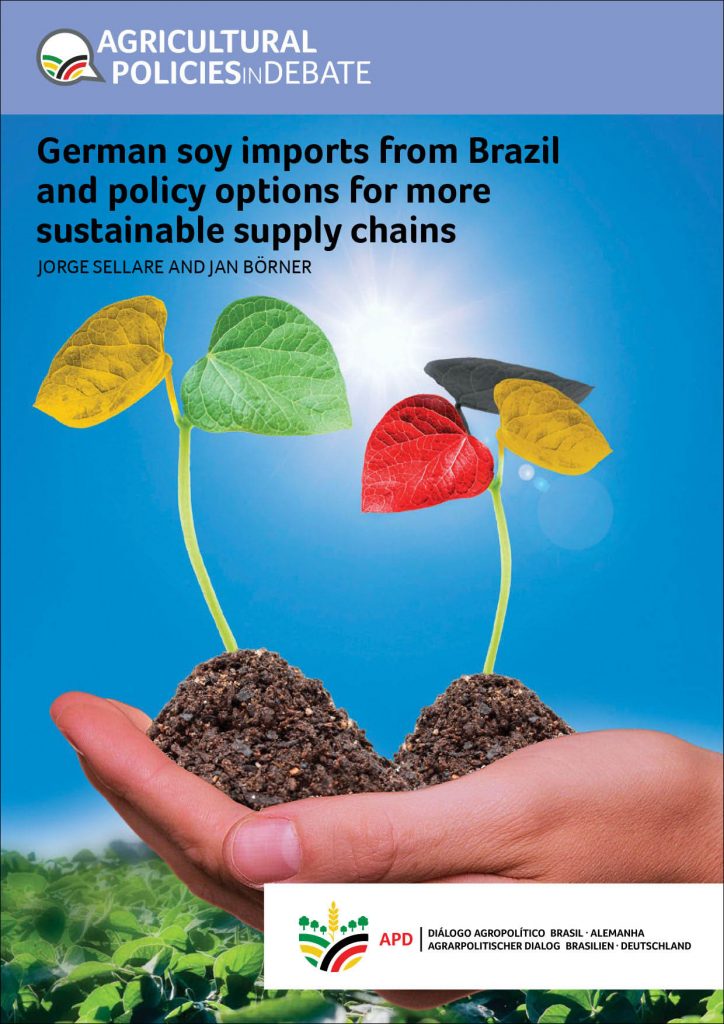 Sojabohnen gehören zu den wichtigsten Eiweißquellen in der Tierernährung, besonders für Schweine und Geflügel. Die Erzeugung von Soja ist allerdings oft mit einem negativen Image verbunden und wird in Verbindung gebracht mit Entwaldung und dem Verlust an biologischer Vielfalt.